Additional information
| Brand | |
|---|---|
| Genre | |
| Year of Production | |
| Language | |
| Duration | |
| Resolution |

ORF-E | In Production (Eyeing November 2026 completion)
English, German
1 x 52 min / 1 x 45 min
Available worldwide except for Germany and France
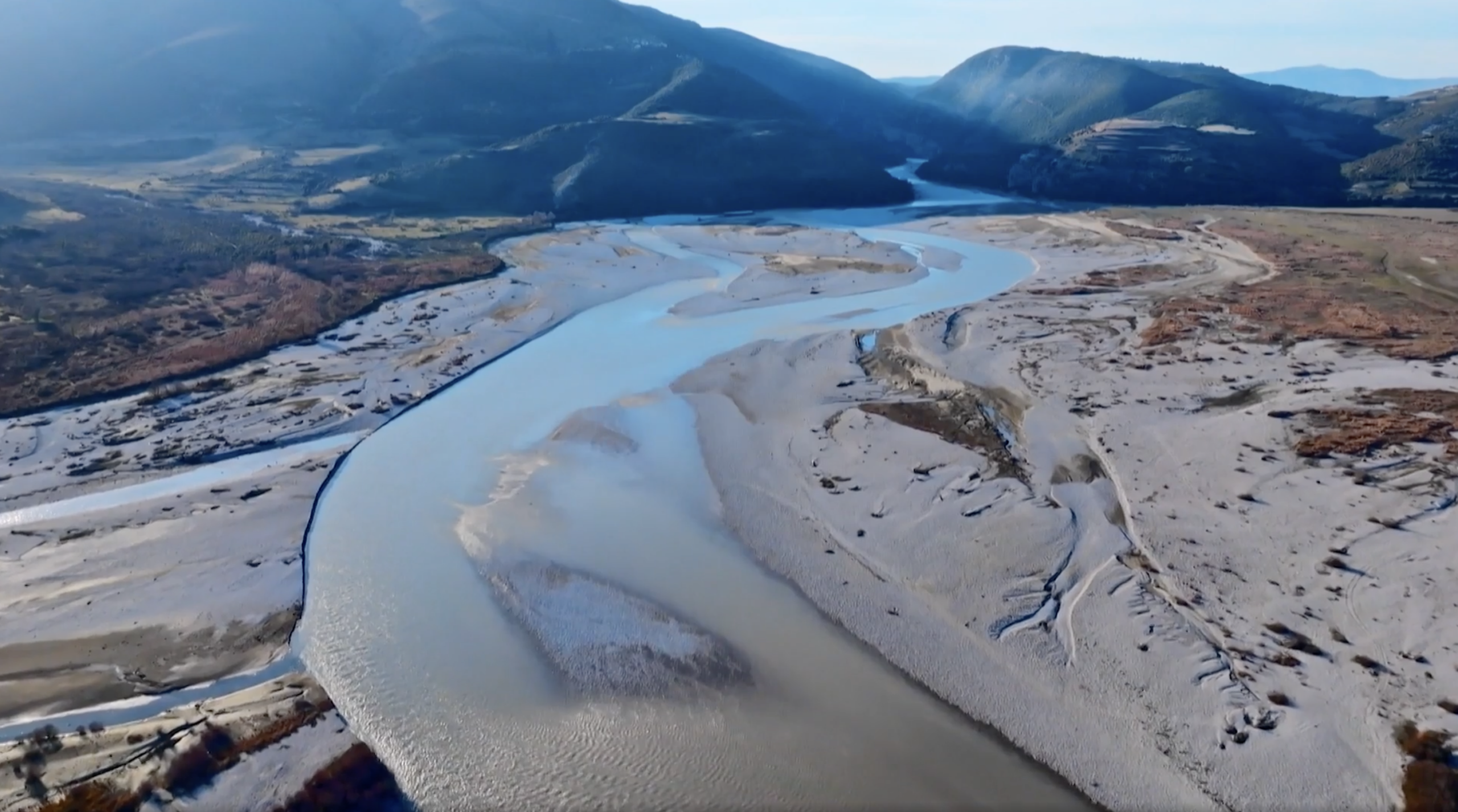
The Vjosa River in Albania is one of Europe’s last wild rivers, largely as a result of the eastern European country’s long isolation from both the Western and Eastern political spheres of power during the Cold War. The resulting lack of economic development helped to preserve what became Europe’s first Wild River National Park in 2023. The river originates in Greece’s Pindu mountains and follows a north-westerly course for around 272 kilometres before it flows out into the Adriatic. 192 of these kilometres lie in Albania, and it is here that the full force and beauty of the untamed watercourse is on display. From fast-moving rapids and deep, coarse gorges to vast gravel banks and an extensive river delta, the river and its surroundings are largely untamed. Among the more than 1175 species of flora and fauna found along the Vjosa, 13 are considered threatened. For them, the decision to declare the course of the river a National Park could mean the difference between continued existence and extinction. The Vjosa also plays an important role in preserving old ways of life. Animal herders drive their livestock across suspension bridges and up onto the precarious slopes high above the river, where wolves and jackals are a constant threat. If a predator is able to avoid the herders’ fearless dogs, vultures soon descend to feast on the carrion. It took 20 years of campaigning by conservationists to achieve national park status for the river. The significance of this step has made waves far beyond Albania’s borders, reinforcing how important intact river systems are to the lives of all those who live alongside them.
 Selection Cart


